Art Collector Secrets from a Curator
How to Build an Art Collection with Intention (Without Spending a Fortune)
The art world has a reputation for being intimidating — exclusive, expensive, and difficult to break into. But like tennis, collecting isn’t about brute force or unlimited resources. It’s about positioning, timing, and learning how to read the game.
Shaun recently sat down with Veronica Pesantes — founder of Miami Art Hang, writer, and veteran curator with over 30 years of experience across Madrid, New York, and Miami — to talk about what really matters when starting an art collection.
Her mission is simple: decolonize culture and make art accessible. And her insight makes one thing clear — you don’t need thousands of dollars to start collecting well.
You need access, curiosity, and follow-through.
Break the Price Barrier
One of the biggest myths stopping new collectors is the idea that “real” art is out of reach.
In reality, Miami’s contemporary scene is filled with museum-quality work priced under $1,000 — and often under $500. These smaller acquisitions aren’t compromises; they’re entry points. Many become the most meaningful pieces in a collection because they were chosen early, intentionally, and with conviction.
Affordable doesn’t mean insignificant. It means you’re early.
The DM Is the New Front Row Seat
Today’s art world doesn’t start at an auction house — it starts with attention.
Following artists, engaging thoughtfully with their work, and sending genuine messages opens doors that once required insiders. Studio visits, conversations, and early access often begin with a single DM.
The collectors who discover talent first aren’t louder.
They’re more present.
Access in today’s art world is often simple — but it still requires intention.
A thoughtful message goes further than a cold inquiry or a rushed question about price.
Below are two approaches we recommend: one to build rapport, and one to take the next step.
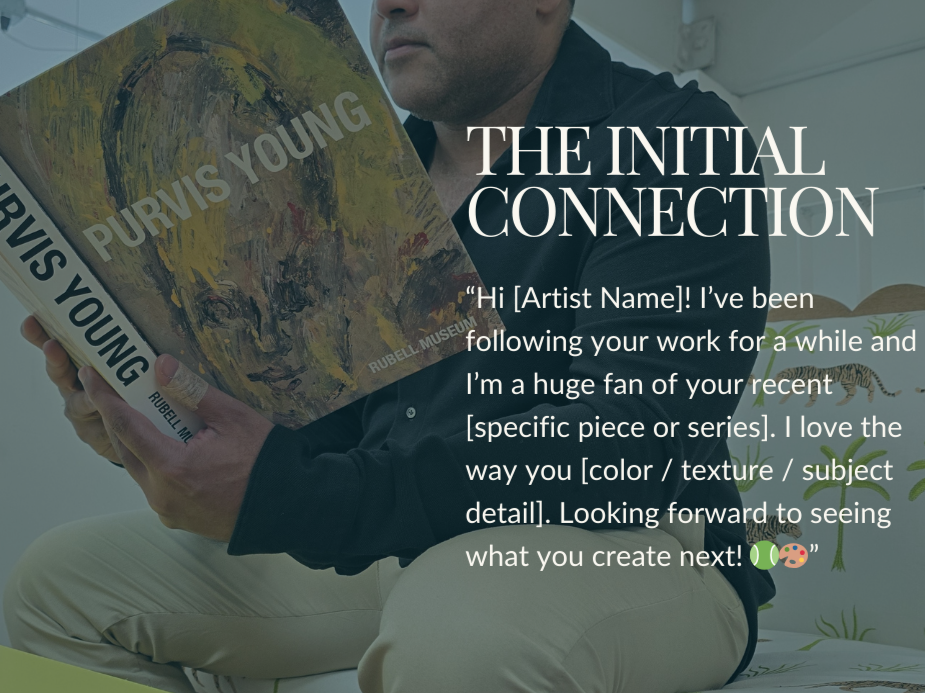
The Initial Connection
This message isn’t about asking for anything. It’s about showing presence.
Specificity matters — referencing a particular piece, texture, or detail signals genuine interest and opens the door naturally.
You’re not pitching yourself.
You’re starting a conversation.
Copy and paste this template:
“Hi [Artist Name]! I’ve been following your work for a while and I’m a huge fan of your recent [specific piece or series]. I love the way you [color / texture / subject detail]. Looking forward to seeing what you create next! 🎾🎨”
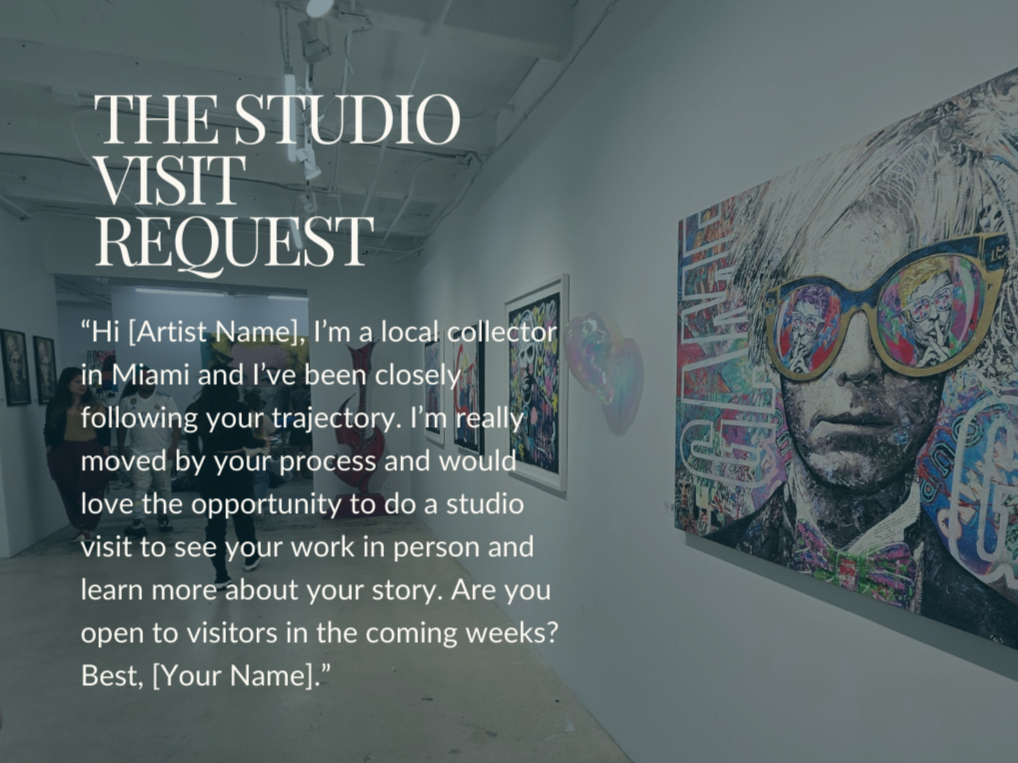
The Studio Visit Request
Once interest is established, a direct — but respectful — ask is often welcomed.
Artists are usually open to visitors who have taken the time to understand their work and trajectory.
Studio visits are where context forms, relationships deepen, and collecting becomes personal.
Copy and paste this template:
“Hi [Artist Name], I’m a local collector in Miami and I’ve been closely following your trajectory. I’m really moved by your process and would love the opportunity to do a studio visit to see your work in person and learn more about your story. Are you open to visitors in the coming weeks? Best, [Your Name].”
A few principles guide every successful first connection:
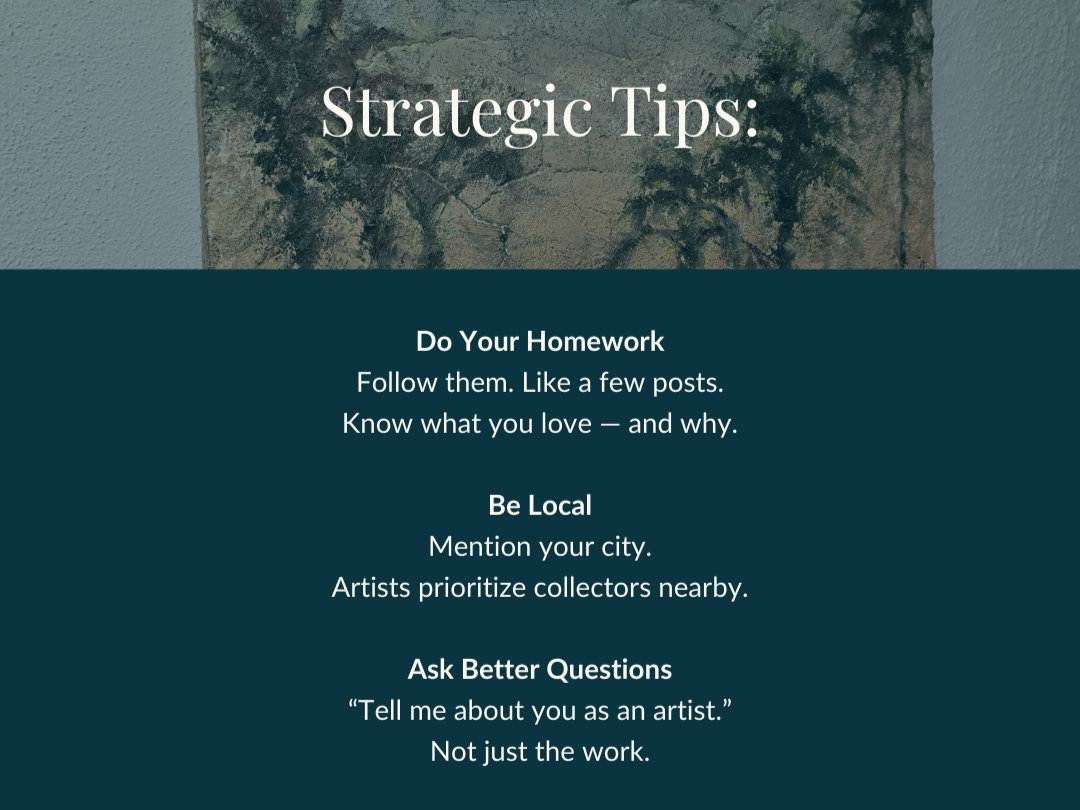
Collecting well isn’t about volume — it’s about intention.
The Advisor Advantage
Just like you wouldn’t try to master a one-handed backhand without guidance, navigating the art market alone slows progress.
A curator or art advisor helps you:
Understand why you’re drawn to certain work
Develop a visual language and point of view
Discover artists beyond traditional gallery walls
The goal isn’t to buy more — it’s to see better.
Find Your Focus
It’s easy to collect randomly. It’s harder — and more rewarding — to collect with direction.
Whether your interest is local contemporary artists, socially driven work, or legacy names like Purvis Young, focus gives your collection coherence. An advisor helps you go deeper instead of wider, ensuring your collection evolves rather than stalls.
A strong collection tells a story — even in its early chapters.
Support the Studio
Many of the most compelling artists aren’t marketers. They’re creators — working quietly, consistently, and often out of sight.
Curators bridge the gap between studio and collector. They help surface work that hasn’t yet been packaged for mass consumption, connecting you to the source before the spotlight arrives.
This is where collecting becomes personal.
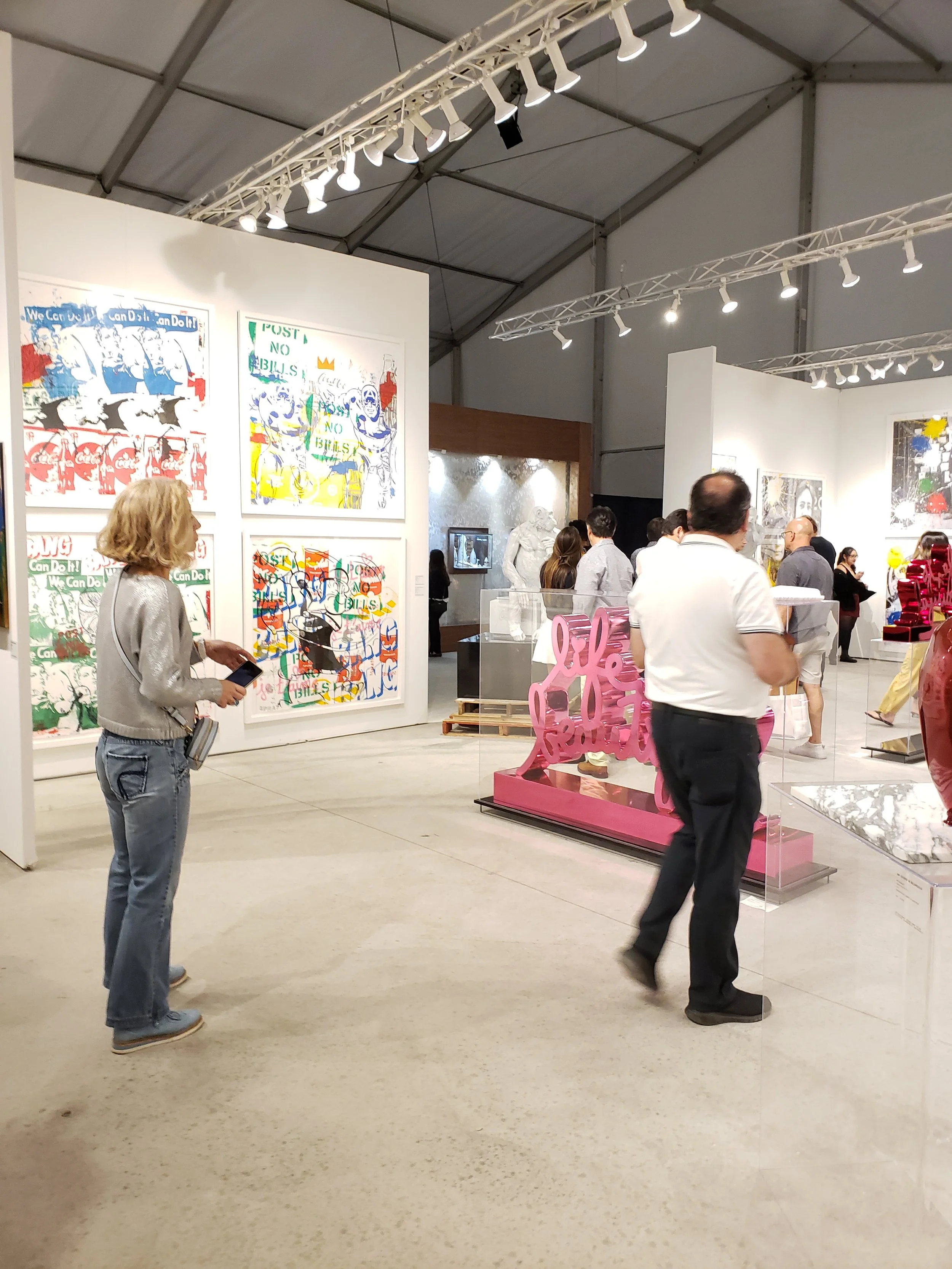
Information Is Your Edge
Art collecting, like tennis, rewards preparation.
Ask about the artist’s background.
Learn their process.
Understand the story behind the work.
The more you know, the better you collect — not because you spend more, but because you choose with intention.
Collect Like You Compete
Collecting isn’t passive. It’s strategic.
Be in the right spaces. Ask the right questions. Follow through.
The best collections aren’t built overnight — they’re built through consistency, curiosity, and confidence.
Collecting art is an investment in your environment and your perspective.
Don’t let intimidation keep you on the sidelines.
If you’re ready to start, we recommend subscribing to Veronica’s writing and showing up where art is actually happening — local art crawls, studio visits, and community-driven art hangs in your city.
Because the most powerful collections begin before the rest of the market is paying attention.